
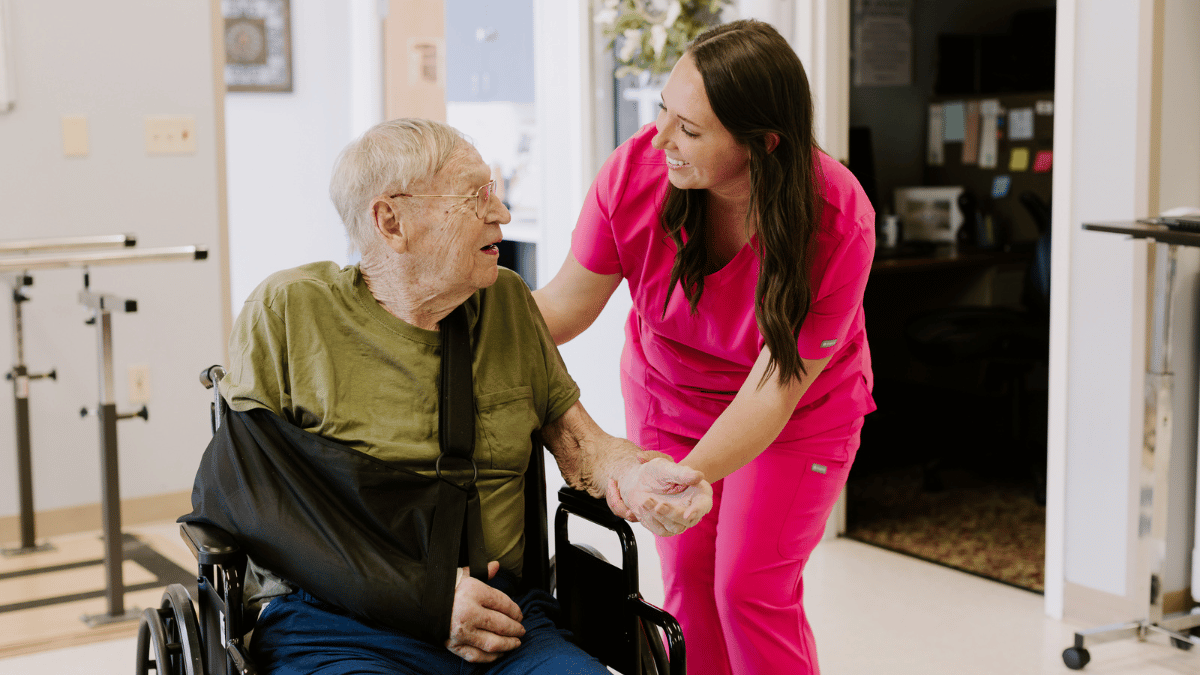
The Role of Occupational Therapy in Helping Seniors Maintain Independence
When an older adult is recovering from an illness, injury, surgery, or hospitalization, the goal of rehabilitation is often about more than simply getting stronger. It is about helping them regain the skills and confidence they need to participate in everyday life. This is where occupational therapy plays an important role in skilled nursing and senior care.
Occupational therapy focuses on helping individuals perform the activities that are meaningful and necessary in daily life. For seniors, these activities may include getting dressed, bathing, eating, moving safely around the home, preparing a meal, or completing other everyday routines. By working on these skills in a supportive environment, occupational therapy can help residents build greater independence and confidence.
Occupational therapists evaluate an individual's abilities, limitations, and goals. Based on that assessment, they develop personalized therapy plans designed around the person's specific needs.
For someone recovering from a stroke, for example, therapy may focus on improving coordination and strength needed to complete daily tasks. Someone recovering from a joint replacement may work on safely completing personal-care activities while following movement precautions. An older adult experiencing balance challenges may practice strategies designed to make everyday activities safer.
Occupational therapy can also involve recommendations for adaptive equipment or changes to routines that make activities easier and safer.
Skilled nursing communities often serve individuals with a wide range of needs. Some residents may be recovering from an acute medical event and preparing to return home, while others may need ongoing support with daily activities.
Occupational therapy can be valuable in both situations.
For short-term rehabilitation, therapy can help residents work toward functional goals that support a safe transition home. For long-term residents, occupational therapy may help maintain abilities, encourage participation, and support quality of life.
The focus is not simply on completing exercises. It is on connecting therapy to real-life activities. One of the most important aspects of occupational therapy is its practical nature. Therapy can be designed around the activities a person wants or needs to accomplish in everyday life.
A therapist may work with a resident on safely transferring from a bed to a chair, using adaptive equipment, improving upper-body strength, or completing personal-care tasks. These skills can contribute to greater confidence and participation throughout the day.
At Courtyard Rehabilitation and Health Center in El Dorado, individualized care plans and on-site therapy services are part of the community's approach to supporting residents' health and well-being. Courtyard provides skilled nursing and short-term rehabilitation services for individuals and families in South Arkansas.
No two rehabilitation journeys look exactly alike. A therapy plan should reflect the individual's abilities, needs, preferences, and goals. For one person, success may mean safely walking through their home. For another, it may mean being able to get dressed independently or return to a favorite daily activity. Occupational therapy is one part of the multidisciplinary approach that can help seniors work toward these goals.
When families are exploring skilled nursing or rehabilitation after a hospitalization or injury, it is worth asking what therapy services are available and how those services are incorporated into an individual's care plan.
The right rehabilitation environment can provide more than a place to recover. It can provide encouragement, professional support, and opportunities to work toward greater independence—one everyday achievement at a time.